




Yes, you can sometimes lease with bad credit, but approvals are harder and terms are stricter.
A stronger down payment, proof of steady income, and a cosigner can materially improve odds.
Buying is often easier with poor credit because the vehicle is collateral.
Bringing documents and paying down small balances before you apply can move your score and DTI in the right direction.
If your score is below 600, consider pre-owned and budget inventory or financing as a faster path to ownership.
What Counts as Bad Credit?
Credit tiers most dealers and lenders reference:
Excellent: 740+
Good: 670 to 739
Fair: 580 to 669
Poor: 300 to 579
Most lease approvals happen in the good or excellent ranges. Fair credit can qualify but often at higher money factors and stricter terms. Below 580, approvals become rare without compensating factors.
Why Leasing is Harder with Poor Credit?
With a lease, the finance company owns the car during the term and relies on your payment history. Because there is no equity at the end unless you buy the vehicle, lenders weigh credit risk more carefully. They want confidence that you will make every payment, keep mileage within limits, and maintain the vehicle.

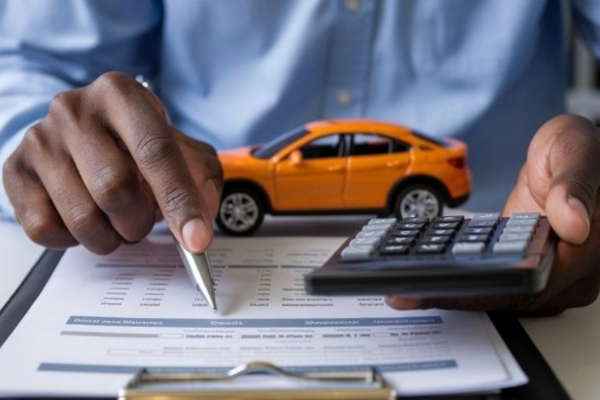
How to Improve Your Approval Odds?
Use these steps before visiting Jimmy Britt in Statesboro:
1) Pull your reports and score
Check for errors and recent late payments. Disputing a clear error can lift a score quickly.
2) Trim balances
Paying revolving balances under 30 percent utilization can move scores in weeks, not months.
3) Bring stronger proof of income
Recent pay stubs, W-2s or 1099s, and bank statements help underwriters verify stability.
4) Prepare a larger drive-off amount
A bigger up-front payment reduces the lender’s risk and can unlock an approval tier.
5) Consider a cosigner with strong credit
A qualified cosigner can improve the money factor and increase the likelihood of approval.
6) Stay flexible on model and trim
Lower MSRP or entry models often price better and are easier to structure.
Leasing Vs Buying with Bad Credit
For many shoppers with below-average credit in [City], financing a pre-owned vehicle is more attainable than leasing a new one.
Quick comparison
Factor | Leasing with bad credit | Financing with bad credit |
Likelihood of approval | Low to moderate | Moderate to higher |
Upfront costs | Higher drive-off often required | Varies, down payment helps |
Monthly payment | Can be lower on paper, but tougher to qualify | Often higher than prime, but easier to structure |
Vehicle choices | Narrower selection | Wider options, including vehicles under $20,000 |
Ownership | No ownership unless you buy out | You own when the loan is paid |
Credit building | Yes with on-time payments | Yes with on-time payments |
Is leasing easier than buying with bad credit
Usually no. Financing can be simpler because the vehicle serves as collateral and more lenders specialize in subprime auto loans. If leasing is your preference, be ready with compensating factors.


FAQs: Frequently Asked Questions
It is possible, but uncommon. A larger down payment, strong income documentation, and a cosigner may be required.
Yes. Credit checks are standard so lenders can gauge payment risk.
On-time payments can help. Late or missed payments hurt quickly, so set up autopay.
Financing is usually easier. Leasing standards are stricter.
It depends on recency and re-established credit. A cosigner may help.
Lower-priced, entry-level models are generally more achievable than premium or high-demand vehicles.
Not always, but a qualified cosigner can materially improve terms.
Aim for 10 to 20 percent. More cash up front often offsets risk.
Check your score, address small balances, collect income documents, and be flexible on model and mileage.
Contact Us
Contact us with any questions, concerns or information requests.
This site is protected by reCAPTCHA and the Google Privacy Policy and Terms of Service apply.